Newark’s NewPark Mall Failure: When Politicians Promise Prosperity and Deliver Nothing
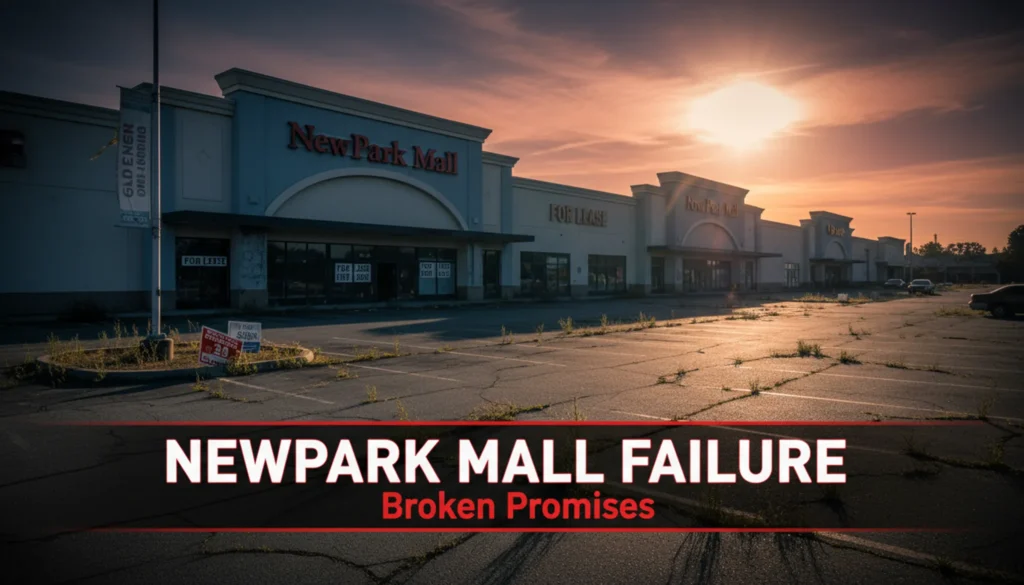
Mayor Hannon’s admission hit like a cold slap of reality: Brookfield decided “not to go forward with the project” for NewPark Mall revitalization. Translation: Another grand economic development promise from Newark’s political class just collapsed, leaving taxpayers with broken dreams and a decaying shopping center.
This isn’t just about a failed mall renovation. This is about a pattern of political overselling that costs Newark residents jobs, tax revenue, and economic opportunity while elected officials move on to their next shiny promise.
The Promise That Became a Mirage
For months, Newark’s political establishment touted the NewPark Mall revitalization as a cornerstone of the city’s economic future. Mayor Hannon and his council painted pictures of renewed retail activity, increased tax revenue, and job creation that would transform Newark’s commercial landscape.
Support Independent Local Journalism
TheTownHall.News is a non-profit reader-supported journalism. Just $5 helps us hire local reporters, investigate important issues, and hold public officials accountable across Alameda County. If you believe our community deserves strong, independent journalism, please consider donating $5 today to support our work.Brookfield, a major real estate development company, was supposed to be the savior that would breathe new life into the struggling mall. Residents were led to believe that professional developers had committed to investing in Newark’s future.
Instead, they got a brief announcement buried in city council updates: Brookfield walked away.
The Real Cost of Failed Development
When major developers abandon Newark projects, the damage extends far beyond disappointed expectations:
Lost Tax Revenue: Every month NewPark Mall remains underutilized represents thousands of dollars in potential sales tax, property tax, and business license revenue that could fund city services or reduce resident tax burdens.

Missed Job Opportunities: Mall revitalization could have created dozens of retail, restaurant, and service jobs for Newark residents. Instead, those opportunities evaporated with Brookfield’s withdrawal.
Economic Credibility Damage: When major developers publicly abandon Newark projects, it sends a signal to other potential investors that the city isn’t a reliable partner for business development.
Continued Blight: The failed revitalization leaves NewPark Mall as a deteriorating anchor that drags down surrounding property values and business prospects.
The Questions Mayor Hannon Won’t Answer
Brookfield’s withdrawal raises serious questions about Newark’s economic development competence:
What went wrong? Did the city make unrealistic demands? Were there regulatory obstacles that drove Brookfield away? Did Newark fail to provide adequate support for the project?
Support Independent Local Journalism
TheTownHall.News is a non-profit reader-supported journalism. Just $5 helps us hire local reporters, investigate important issues, and hold public officials accountable across Alameda County. If you believe our community deserves strong, independent journalism, please consider donating $5 today to support our work.How much time was wasted? How long did city staff spend on this failed project instead of pursuing viable alternatives?
Were taxpayers exposed? Did Newark provide any financial incentives, tax breaks, or commitments that are now worthless?
What’s the backup plan? Does the city have alternative strategies for NewPark Mall, or will it continue deteriorating while politicians chase the next development mirage?
Mayor Hannon’s brief announcement provided none of these answers. Residents got a bureaucratic update about failure without explanation, accountability, or alternative plans.
The Pattern of Political Overselling
NewPark Mall’s failure fits a troubling pattern in Newark’s economic development approach: Politicians promise transformative projects, generate public excitement, then quietly move on when deals collapse.
This creates a cycle of:
- Unrealistic Expectations: Officials oversell projects before they’re secured
- Public Disappointment: Residents lose faith in government competence
- Economic Stagnation: Real development opportunities get ignored while politicians chase headline-grabbing deals
- Accountability Avoidance: Failed projects get buried in brief council updates
When Mayor Hannon and his council consistently overpromise and underdeliver, they’re not just failing individual projects — they’re undermining Newark’s entire economic development credibility.
What Real Economic Development Looks Like
Instead of chasing major developers who may or may not follow through, Newark should focus on:
Supporting Existing Businesses: Help current Newark businesses expand and succeed rather than waiting for outside saviors.
Reducing Regulatory Barriers: Eliminate bureaucratic obstacles that make Newark unattractive to developers and business owners.
Infrastructure Investment: Fix roads, improve utilities, and create conditions that naturally attract business investment.
Realistic Project Selection: Pursue development opportunities that match Newark’s actual market conditions rather than wishful thinking.
The Brookfield Lesson
Brookfield’s withdrawal should teach Newark’s political class several important lessons:
Stop Overselling Uncertain Projects: Don’t announce development plans until deals are actually secured and contracts are signed.
Focus on Fundamentals: Create business-friendly conditions that attract multiple developers rather than betting everything on single projects.
Provide Honest Updates: When projects fail, explain what went wrong and what the city learned from the experience.
Develop Backup Plans: Have alternative strategies ready when primary development plans collapse.
The Mall’s Continued Decline
While Mayor Hannon and his council chase the next development dream, NewPark Mall continues deteriorating. Empty storefronts multiply. Remaining businesses struggle with declining foot traffic. Property values in surrounding areas suffer from the mall’s ongoing decline.
This isn’t just an economic problem — it’s a quality of life issue for Newark residents who deserve vibrant commercial centers that serve their daily needs.
What Residents Deserve
Before announcing any more grand development plans, Newark residents should demand:
Realistic Assessments: Honest evaluations of project feasibility before public announcements.
Financial Transparency: Clear disclosure of any taxpayer commitments or incentives offered to developers.
Accountability Measures: Regular updates on project progress and honest explanations when deals fail.
Alternative Strategies: Multiple development approaches rather than betting everything on single projects.
The Bottom Line
Brookfield’s withdrawal from NewPark Mall represents more than a failed development project — it exposes the fundamental weakness in Newark’s economic development approach.
When politicians promise transformative projects without securing firm commitments, they’re not building economic opportunity — they’re building false hope that ultimately damages community confidence and economic prospects.
Mayor Hannon’s brief announcement about Brookfield’s withdrawal should be followed by a comprehensive explanation of what went wrong, what the city learned, and how Newark will pursue realistic economic development that actually serves resident interests.
Because when major developers walk away from Newark projects, residents deserve more than bureaucratic updates — they deserve accountability, honesty, and better leadership that can actually deliver economic opportunity instead of just promising it.
Sources: Newark City FINAL October 9 2025 minutes.pdf