Dublin’s Park Naming Fiasco: When Local Government Wastes Time While Real Issues Burn
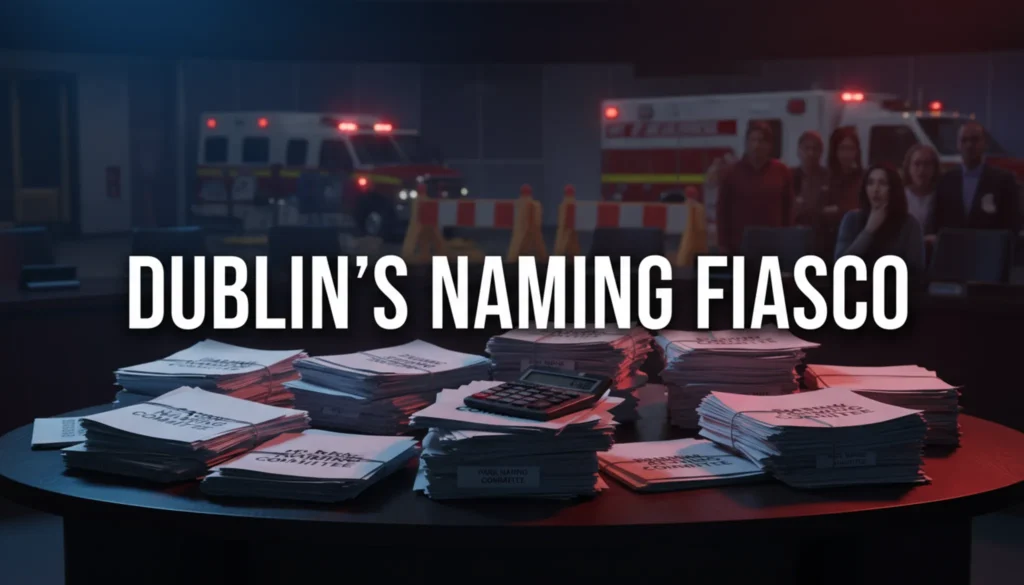
How a California city’s elaborate naming process reveals everything wrong with modern municipal priorities
Priorities Upside Down
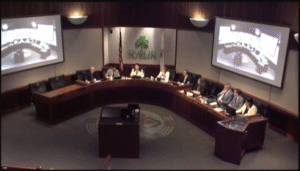
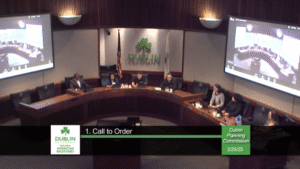
While Dublin, California residents grapple with soaring property taxes, traffic nightmares, and rising crime rates, their city council has found time for something truly urgent: orchestrating an elaborate public relations campaign to name two neighborhood parks. The October 2025 announcement of Dublin’s “community engagement process” for naming parks in the Francis Ranch development isn’t just bureaucratic theater—it’s a perfect microcosm of how local government has lost sight of its core responsibilities.
At a time when families are struggling with inflation and businesses are fleeing California’s hostile regulatory environment, Dublin’s leadership is investing precious municipal resources into focus groups, online voting platforms, and social media campaigns for park names. This isn’t governance; it’s virtue signaling disguised as community involvement.
Support Independent Local Journalism
TheTownHall.News is a non-profit reader-supported journalism. Just $5 helps us hire local reporters, investigate important issues, and hold public officials accountable across Alameda County. If you believe our community deserves strong, independent journalism, please consider donating $5 today to support our work.The Bureaucratic Circus: Six Committees for Two Names
Dublin’s approach to naming two simple neighborhood parks reads like a parody of government inefficiency. Rather than allowing the developer or homeowners association to handle this straightforward task, the city has created an elaborate process involving “six pairings” of names, community voting, and what appears to be months of staff time dedicated to managing public input.
The parks, featuring standard amenities like pickle ball courts and basketball courts, somehow require a naming theme of “Exploration of California”—as if residents can’t be trusted to suggest appropriate names without bureaucratic guidance. This top-down approach to something as simple as park naming reveals a fundamental misunderstanding of the proper role of government.
The Hidden Costs of Bureaucratic Bloat
Every hour city staff spends managing this naming process is an hour not spent on core municipal functions. Consider what Dublin residents are actually paying for:
- Staff time to develop the “six pairings” system
- Web development for online voting platforms
- Social media management and promotion
- Public meeting coordination
- Administrative overhead for vote tabulation
While the city hasn’t disclosed the exact cost of this naming extravaganza, similar municipal “engagement” processes typically run into tens of thousands of dollars when staff time and resources are properly calculated. For a city already struggling with budget pressures, this represents a troubling misallocation of taxpayer funds.
Missing the Real Issues: What Dublin Should Address Instead
While city officials orchestrate park naming ceremonies, Dublin faces genuine challenges that demand immediate attention and leadership:
Public Safety Concerns Recent months have seen serious incidents in Dublin, including a fatal crash in October 2025 that required California Highway Patrol investigation. Rather than focusing on traffic safety improvements or enhanced police presence, city resources are diverted to naming committees.
Legal and Environmental Battles Dublin is currently embroiled in costly litigation over Measure II, with environmental groups challenging the city’s land use decisions. The October 2025 court ruling requiring environmental impact studies represents potentially millions in legal fees and project delays—real costs that affect every taxpayer.
Infrastructure Needs As the Francis Ranch development adds hundreds of new residents, Dublin’s infrastructure faces increased strain. Roads, utilities, and emergency services need investment and planning, not naming ceremonies.
Support Independent Local Journalism
TheTownHall.News is a non-profit reader-supported journalism. Just $5 helps us hire local reporters, investigate important issues, and hold public officials accountable across Alameda County. If you believe our community deserves strong, independent journalism, please consider donating $5 today to support our work.The Illusion of Community Engagement
Dublin’s park naming process masquerades as “community engagement,” but it’s actually a textbook example of performative democracy. True community involvement means giving residents meaningful input on issues that affect their daily lives: tax rates, public safety priorities, infrastructure investments, and regulatory policies.
Instead, Dublin offers the illusion of participation through carefully managed voting on pre-selected name pairings. This isn’t empowerment; it’s manipulation designed to make residents feel heard while keeping real decision-making power firmly in bureaucratic hands.
Parental Rights and Local Control Conservative families moved to communities like Dublin expecting local government to focus on essential services while respecting family autonomy. When city councils spend time and money on symbolic gestures like elaborate naming processes, they’re essentially telling parents that municipal priorities matter more than family budgets and individual choice.
The resources wasted on this naming circus could have been returned to taxpayers or invested in genuine community needs. Instead, Dublin’s approach represents the kind of government overreach that drives families and businesses to seek more responsive communities.
Fiscal Accountability: Follow the Money
Dublin’s park naming process raises serious questions about fiscal responsibility. In an era when every tax dollar should be scrutinized, why is the city investing in elaborate public relations campaigns for something that could be resolved with a simple community suggestion box?
The Francis Ranch development already includes developer contributions and homeowner association fees. These parks will primarily serve the immediate neighborhood, making the case for extensive city involvement even weaker. A more conservative approach would allow the people who actually use these facilities to name them without municipal interference.
The Broader Pattern of Government Waste Dublin’s naming process isn’t an isolated incident—it’s part of a broader pattern of California municipalities losing focus on core responsibilities. From elaborate “visioning” processes to costly “community engagement” initiatives, local governments across the state are burning through taxpayer funds on feel-good projects while infrastructure crumbles and public safety deteriorates.
Free Speech and Authentic Democracy
True community engagement doesn’t require government-managed voting platforms and predetermined themes. If Dublin genuinely wanted community input, they would simply ask residents for suggestions and select appropriate names through normal administrative processes.
The current system, with its “Exploration of California” theme and curated pairings, represents the kind of managed democracy that conservatives rightly reject. Real free speech means allowing organic community discussions and decisions, not orchestrated public relations campaigns.
A Conservative Alternative: Limited Government in Action
A conservative approach to Dublin’s park naming would be refreshingly simple:
- Developer Responsibility: Allow the Francis Ranch developer to propose names as part of their community planning process
- Homeowner Association Control: Transfer naming authority to the future homeowners association, giving actual residents direct control
- Minimal City Role: Limit municipal involvement to ensuring names meet basic standards and don’t conflict with existing designations
- Resource Reallocation: Redirect staff time and budget to essential services like public safety and infrastructure maintenance
This approach respects property rights, reduces government waste, and empowers the people who will actually use these facilities.
Conclusion: Time for Real Priorities
Dublin’s elaborate park naming process perfectly illustrates what happens when local government loses sight of its proper role. While residents face real challenges—rising costs, safety concerns, and infrastructure needs—their elected officials are playing elaborate games with park names and community engagement theater.
Conservative voters didn’t elect city councils to manage naming ceremonies and social media campaigns. They elected them to maintain essential services, protect public safety, and respect taxpayer dollars. Dublin’s approach represents everything wrong with modern municipal government: costly, time-consuming, and focused on symbolism over substance.
The Francis Ranch parks will eventually get names, and residents will use them regardless of what they’re called. But the process reveals a city government more interested in public relations than public service—and that should concern every taxpayer who expects accountability from their local officials.
Call to Action
Dublin residents deserve better than expensive naming ceremonies while real issues go unaddressed. Contact your city council members and demand they focus on core responsibilities: public safety, infrastructure, and fiscal accountability. Share this article with neighbors who care about responsible government and attend city council meetings to hold officials accountable for their priorities. Most importantly, remember these misplaced priorities when election time comes—because the best community engagement happens at the ballot box.