FBI Arrests Two Suspects Following Explosion at Harvard Medical School Campus
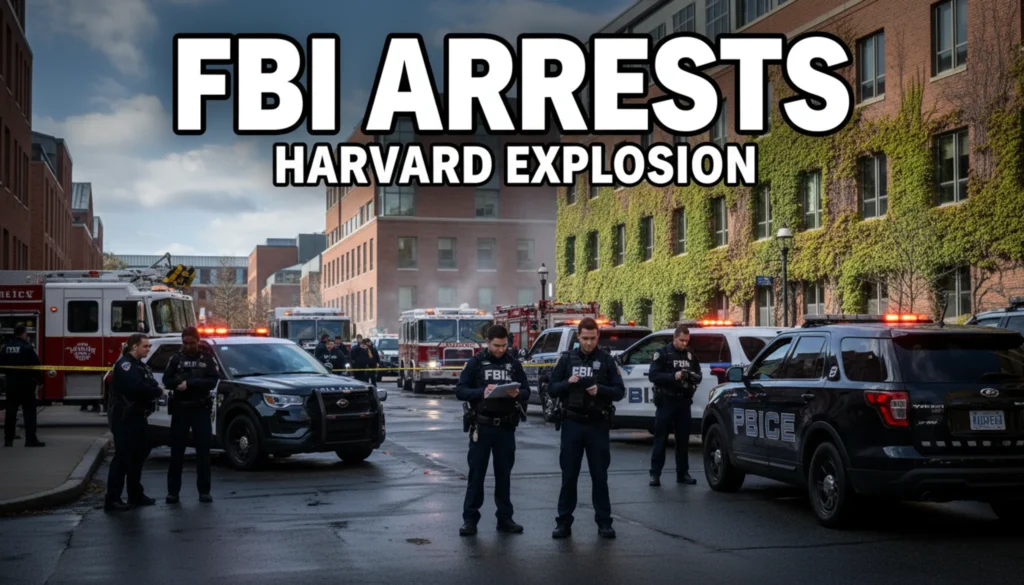
November 4, 2025 – The Federal Bureau of Investigation’s Boston Field Office has arrested two individuals in connection with an explosion that occurred on the Harvard Medical School campus, marking a significant development in what authorities are treating as a serious criminal investigation. The incident has sent shockwaves through one of the nation’s most prestigious medical institutions and raised concerns about security at academic research facilities.
The Incident
The explosion at Harvard Medical School represents a deeply troubling breach of security at an institution renowned for groundbreaking medical research and education. While specific details about the nature and extent of the explosion have not been fully disclosed, the FBI’s rapid response and arrest of two suspects indicates the seriousness with which federal authorities are treating this incident.
Harvard Medical School, located in Boston’s Longwood Medical Area, houses numerous research laboratories, clinical facilities, and educational spaces that serve thousands of students, faculty, and staff daily. The institution conducts cutting-edge research in fields ranging from cancer treatment to infectious disease control, making any security breach particularly concerning from both public safety and national security perspectives.
Support Independent Local Journalism
TheTownHall.News is a non-profit reader-supported journalism. Just $5 helps us hire local reporters, investigate important issues, and hold public officials accountable across Alameda County. If you believe our community deserves strong, independent journalism, please consider donating $5 today to support our work.The timing and location of the explosion likely created significant alarm among the medical school community, which includes some of the world’s leading medical researchers and future healthcare professionals. Such incidents at academic institutions often generate widespread concern about the safety and security of research environments that are typically open and collaborative by nature.
Federal Investigation Response
The FBI’s Boston Field Office took the lead in investigating this incident, reflecting the federal government’s jurisdiction over crimes that occur on educational institutions and the potential national security implications of attacks on research facilities. The bureau’s ability to quickly identify and arrest two suspects suggests either prior intelligence about potential threats or rapid investigative work following the explosion.
Federal investigators likely employed a range of investigative techniques to identify the suspects, including forensic analysis of explosive materials, surveillance footage review, witness interviews, and potentially digital evidence analysis. The speed of the arrests indicates that investigators may have had specific leads or that the suspects left clear evidence of their involvement.
The FBI’s involvement also suggests that this incident may involve federal crimes such as the use of explosive devices, potential terrorism charges, or violations of laws protecting educational institutions. Federal prosecutors will likely pursue charges that reflect both the seriousness of the incident and any broader criminal conspiracy that may have been involved.
Campus Security and Safety Concerns
This explosion highlights the unique security challenges faced by major research universities, particularly those conducting sensitive medical and scientific research. Harvard Medical School’s campus, like many academic institutions, must balance the need for security with the open, collaborative environment essential for education and research.
The incident likely prompted immediate security reviews and enhanced protective measures across the Harvard Medical School campus. University officials, working closely with federal and local law enforcement, probably implemented additional security protocols to ensure the safety of students, faculty, staff, and ongoing research operations.
Medical schools present particular security challenges because they often house valuable research materials, sensitive data, and potentially dangerous laboratory equipment. The explosion may have targeted specific research facilities or materials, though the exact nature of what was damaged or threatened remains under investigation.
Research and National Security Implications
Harvard Medical School conducts research that often has significant implications for national security and public health, including studies related to infectious diseases, biodefense, and medical countermeasures. Any attack on such facilities raises concerns about potential threats to critical research infrastructure and the safety of sensitive scientific work.
The institution’s research programs often involve federal funding and collaboration with government agencies, making security breaches particularly concerning to federal authorities. The FBI’s rapid response likely reflects awareness of the potential national security implications of any attack on such a strategically important research facility.
Support Independent Local Journalism
TheTownHall.News is a non-profit reader-supported journalism. Just $5 helps us hire local reporters, investigate important issues, and hold public officials accountable across Alameda County. If you believe our community deserves strong, independent journalism, please consider donating $5 today to support our work.Investigators will need to determine whether the explosion was intended to disrupt specific research programs, steal sensitive materials, or simply cause general damage and terror. The motivations behind such an attack could range from domestic terrorism to foreign intelligence operations or simple criminal activity.
Impact on Academic Community
The arrest of two suspects in connection with this explosion has undoubtedly created significant concern and disruption within the Harvard Medical School community. Students, faculty, and staff who dedicate their lives to advancing medical knowledge and healing must now grapple with the reality that their workplace has been targeted for violence.
Such incidents can have lasting psychological impacts on academic communities, potentially affecting everything from daily operations to long-term research planning. The medical school administration likely faces the challenge of maintaining normal educational and research activities while addressing legitimate security concerns and supporting community members affected by this incident.
The broader academic community will also be watching this case closely, as attacks on research institutions can have chilling effects on scientific collaboration and the open exchange of ideas that drives medical advancement. Universities across the country may review their own security protocols in light of this incident.
Legal Proceedings and Charges
The two arrested suspects now face federal prosecution that could result in severe penalties depending on the specific charges filed. Federal crimes involving explosives typically carry substantial prison sentences, particularly when they occur at educational institutions or threaten public safety.
Prosecutors will likely consider factors such as the suspects’ motivations, the extent of damage caused, any injuries that resulted, and whether the incident was part of a broader criminal conspiracy. The charges filed will reflect both the immediate criminal acts and any underlying plots or planning that may have preceded the explosion.
The legal proceedings will also need to address questions about the suspects’ backgrounds, their connections to each other and potentially to other individuals, and whether this incident represents an isolated criminal act or part of a larger threat to academic institutions or public safety.
Broader Security Implications
This incident at Harvard Medical School occurs within a broader context of evolving threats to academic and research institutions. Universities have increasingly become targets for various forms of attack, from cybercrimes targeting research data to physical attacks on facilities and personnel.
Federal law enforcement agencies have been working to enhance security cooperation with academic institutions, recognizing that universities conduct research critical to national interests while maintaining the open environments necessary for education and scientific advancement. This incident may prompt renewed discussions about how to balance these competing priorities.
The explosion also highlights the need for continued vigilance and security awareness within academic communities. Faculty, staff, and students may need additional training on recognizing and reporting suspicious activities while maintaining the collaborative atmosphere essential for educational and research excellence.
Investigation Continues
While the arrest of two suspects represents significant progress in this investigation, federal authorities will likely continue their work to fully understand the scope and implications of this incident. Investigators will need to determine whether additional suspects were involved, what specific motivations drove this attack, and whether other institutions face similar threats.
The FBI’s ongoing investigation will probably involve extensive forensic analysis of the explosion site, detailed background investigations of the suspects, and efforts to trace any materials or planning that preceded the incident. This comprehensive approach helps ensure that all aspects of the case are thoroughly understood and that appropriate charges are filed.
Federal authorities will also likely work with Harvard Medical School officials to assess any ongoing security threats and implement measures to prevent similar incidents in the future. This collaboration between law enforcement and academic institutions represents a critical component of protecting the research infrastructure essential to national interests.
Conclusion
The arrest of two suspects in connection with an explosion at Harvard Medical School represents a serious criminal case that highlights the vulnerabilities faced by academic research institutions in the current threat environment. While the quick arrests suggest effective law enforcement response, the incident raises important questions about the security of facilities conducting research critical to public health and national security.
As this case proceeds through the federal court system, it will likely provide important insights into the motivations behind attacks on academic institutions and the most effective approaches for preventing such incidents. The Harvard Medical School community, meanwhile, must work to restore normal operations while implementing any necessary security enhancements to protect the vital research and educational work that continues despite this troubling incident.
The broader implications of this case extend far beyond the immediate criminal charges, touching on fundamental questions about how democratic societies can protect the open, collaborative environments essential for scientific advancement while addressing legitimate security concerns in an increasingly complex threat landscape.