Fremont’s Strategic Planning: A Crucial Moment for Fiscal Responsibility and Citizen Engagement
Introduction: A City at a Crossroads
The City of Fremont, California, stands at a critical juncture. As officials launch a new strategic planning process to guide decisions about essential services—from police and fire protection to street maintenance and homelessness programs—residents face a fundamental question: Will this be genuine community engagement that prioritizes fiscal responsibility, or merely window dressing for predetermined government expansion?
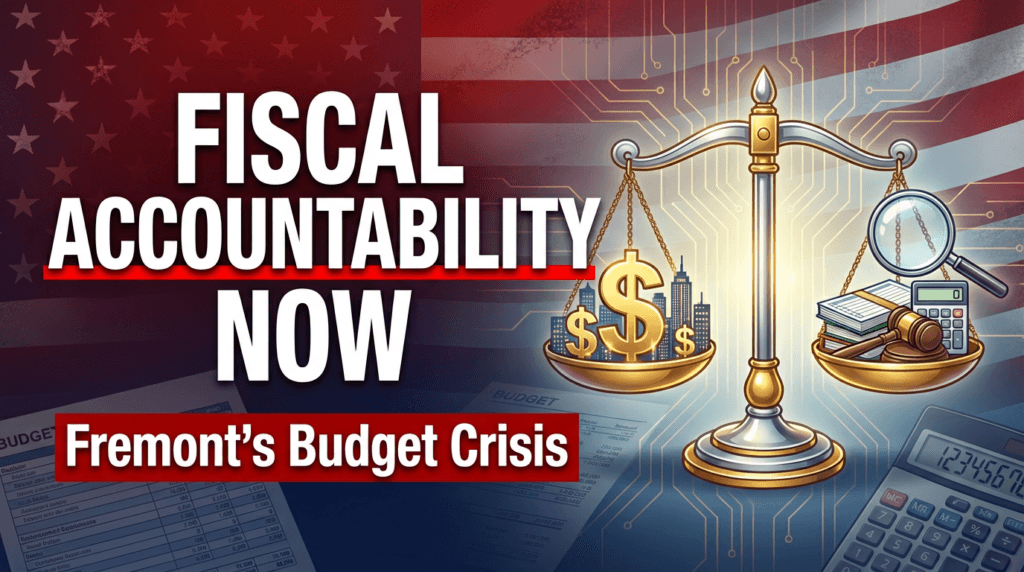
The timing couldn’t be more significant. Just days before announcing this community input initiative on December 12, 2025, city officials revealed that fiscal year 2024/25 revenues fell short of expenditures, forcing a $2 million draw from the city’s Budget Uncertainty Reserve. This leaves only $4 million remaining in emergency funds—a precarious position for a city of over 230,000 residents.
For conservatives who believe in limited government, fiscal accountability, and genuine citizen participation, this moment represents both a warning and an opportunity. The question isn’t whether Fremont needs strategic planning—it’s whether city leaders will listen to taxpayers demanding responsible governance, or continue down a path of unsustainable spending that has plagued California municipalities for decades.
Support Independent Local Journalism
TheTownHall.News is a non-profit reader-supported journalism. Just $5 helps us hire local reporters, investigate important issues, and hold public officials accountable across Alameda County. If you believe our community deserves strong, independent journalism, please consider donating $5 today to support our work.The Budget Reality: Numbers Don’t Lie
Fremont’s financial challenges didn’t emerge overnight. The city’s recent update on labor negotiations reveals a troubling pattern: six of nine bargaining units accepted contracts with 1.3% salary increases and “modest health benefit allowance increases,” yet even these supposedly modest adjustments strain the budget beyond its means.
When city officials must raid emergency reserves to cover basic operational costs, it signals systemic problems. The Budget Uncertainty Reserve exists precisely for genuine emergencies—natural disasters, economic downturns, or unforeseen crises. Using it to plug routine budget gaps is like a family raiding their emergency fund to pay monthly bills. It’s unsustainable, irresponsible, and a red flag that spending has outpaced revenue growth.
Conservative principles demand we ask the hard questions: Why can’t a prosperous Bay Area city with a robust tax base cover its operational expenses? Where is the money going? And most importantly, what structural reforms are needed to ensure fiscal sustainability?
The answer lies in examining government’s proper role and size. When municipalities continually expand services and payroll without corresponding revenue growth, they create a fiscal time bomb that eventually explodes in the form of service cuts, tax increases, or both—leaving taxpayers holding the bag.

The Police Contract Impasse: A Case Study in Fiscal Accountability
The ongoing labor negotiations with the Fremont Police Association (FPA) illustrate the challenges facing fiscally responsible governance. After the FPA declared impasse in September 2025, an independent factfinder issued recommendations on December 1st that included maintaining existing premium pay structures while adding a 2.5% longevity increase.
Here’s where conservative principles must guide decision-making. Law enforcement officers deserve fair compensation—conservatives strongly support our police and recognize their essential role in maintaining law and order. However, fiscal responsibility requires honest conversations about what cities can afford without compromising long-term financial stability.
The factfinder’s recommendations are non-binding, meaning city officials must weigh them against fiscal realities. With revenues already falling short and emergency reserves depleted, adding new compensation structures without identifying corresponding revenue sources or spending cuts elsewhere represents the kind of fiscal irresponsibility that has bankrupted California cities from Stockton to San Bernardino.
Conservative governance means making tough choices. It means telling valued public servants that while their work is appreciated, the city cannot promise what it cannot afford. It means prioritizing core functions over nice-to-have programs. And it means being honest with taxpayers about the tradeoffs involved.
Why Community Input Matters—But Only If It’s Genuine
Fremont officials are asking residents to “share their priorities” regarding essential services. This is commendable—in theory. Conservative principles emphasize that government derives its legitimacy from the consent of the governed, and that those closest to problems often have the best solutions.
Support Independent Local Journalism
TheTownHall.News is a non-profit reader-supported journalism. Just $5 helps us hire local reporters, investigate important issues, and hold public officials accountable across Alameda County. If you believe our community deserves strong, independent journalism, please consider donating $5 today to support our work.However, skepticism is warranted. Too often, government “community input” sessions become exercises in managing public opinion rather than genuinely listening to it. Officials present predetermined options, frame questions to elicit desired responses, and ultimately do what they planned all along while claiming “community support.”
For this strategic planning process to have credibility, several conditions must be met:
Transparency First: City officials must present complete, unvarnished financial data. Residents need to see not just current budgets, but long-term obligations including pension liabilities, deferred maintenance costs, and projected revenue trends. Without full transparency, informed input is impossible.
Real Options, Real Tradeoffs: The community input process must present genuine choices with real consequences. If residents want enhanced services, they must see the tax implications. If they want lower taxes, they must see which services get cut. Pretending we can have everything without cost is dishonest governance.
Accountability Mechanisms: Whatever priorities emerge from community input must be binding, with clear metrics for success and regular public reporting. Too often, strategic plans become shelf documents gathering dust while government operates as usual.
The Conservative Vision: Limited Government, Maximum Freedom
What should conservatives advocate for in Fremont’s strategic planning process? The answer flows from core principles:
Prioritize Core Functions: Government exists to provide services that individuals and private markets cannot effectively deliver—public safety, infrastructure, and basic civic functions. Before expanding into new areas, ensure these fundamentals are fully funded and efficiently delivered.
Embrace Competition and Choice: Where possible, introduce competitive bidding for services, explore public-private partnerships, and give residents choices about service levels and costs. Competition drives efficiency and innovation—principles that work in markets work in government too.
Demand Performance Metrics: Every program should have clear, measurable objectives and regular performance reviews. Programs that don’t deliver results should be reformed or eliminated, regardless of political considerations or bureaucratic inertia.
Protect Taxpayers: Any strategic plan must include firm commitments on fiscal sustainability. This means no new programs without identified funding sources, regular audits of existing programs, and automatic sunset provisions for initiatives that don’t meet performance targets.
Empower Families and Communities: Many services government provides could be better delivered by families, churches, community organizations, and private charities. Strategic planning should identify opportunities to shift responsibilities from government to civil society, reducing costs while strengthening community bonds.
The Homelessness Challenge: Compassion Through Accountability
Fremont’s strategic planning specifically mentions homelessness services—an area where conservative principles offer a clear alternative to failed progressive policies plaguing California cities.
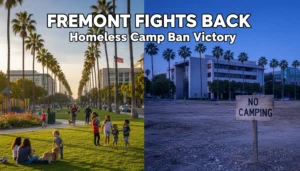
Compassion doesn’t mean enabling destructive behavior. Effective homelessness policy requires distinguishing between those who need temporary help and those who refuse available services. It means enforcing laws against camping on public property, drug use, and public disorder—not as punishment, but as boundaries that protect communities and incentivize people to accept help.
Conservative solutions emphasize personal responsibility paired with genuine assistance. This means supporting faith-based and private organizations that demand accountability from those they serve, rather than government programs that enable dependency. It means focusing resources on those willing to work toward self-sufficiency, rather than spreading them thinly across everyone regardless of effort.
Most importantly, it means being honest that government cannot solve every social problem, and that attempting to do so often makes problems worse while bankrupting communities.
A Call to Action: Your Voice, Your City, Your Responsibility
Fremont residents face a choice. They can remain passive while city officials make decisions that affect their property taxes, public safety, and quality of life. Or they can engage actively, armed with conservative principles and demanding fiscal accountability.
Here’s what you must do:
Participate in the Process: Visit my.fremont.gov/myvoice and share your priorities. Be specific. Demand fiscal responsibility. Insist on core services before nice-to-haves.
Attend City Council Meetings: Show up. Speak up. Bring neighbors. Politicians respond to organized, vocal constituents who hold them accountable.
Demand Transparency: Request detailed financial information. Ask hard questions about long-term obligations. Don’t accept vague assurances or bureaucratic jargon.
Organize with Like-Minded Residents: Form taxpayer groups. Share information. Present united fronts at public meetings. Individual voices matter, but organized movements change policy.
Hold Officials Accountable: Remember who votes for fiscal responsibility and who doesn’t. Support candidates who share conservative principles. Vote accordingly.
The strategic planning process is your opportunity to shape Fremont’s future. Will it be a city of limited, efficient government that prioritizes core services and respects taxpayers? Or will it continue down the path of expanding government, mounting debt, and eroding fiscal stability?
The answer depends on whether conservatives show up and fight for principles that have built prosperous, free societies throughout history. Your city needs your voice. Your neighbors need your leadership. Your principles demand your engagement.
The time to act is now. Fremont’s future—and your family’s financial security—hang in the balance.
Share this article with fellow Fremont residents. Subscribe to stay informed on local government accountability. Together, we can restore fiscal responsibility and limited government to our community.