Newark’s Fourth Contract Amendment: When Government Can’t Get It Right the First Time
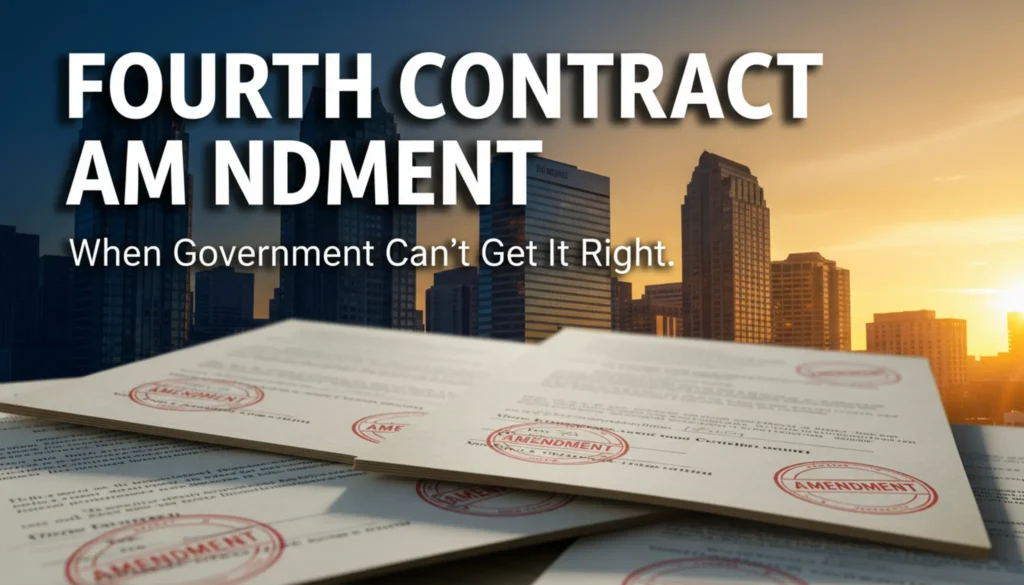
Vice Mayor Little’s abstention should have been a red flag. When a seasoned politician refuses to vote on a contract amendment, taxpayers should ask why — especially when it’s the fourth time Newark has modified the same consulting deal.
On October 9, 2025, Newark’s City Council approved yet another amendment to their planning services contract with Good City Company. Four council members — Mayor Hannon and Council Members Jorgens, Grindall, and Catancio — voted yes. Vice Mayor Little abstained. And taxpayers got stuck with another bill they never saw coming.
The Red Flag of Repeated Amendments
When government contracts require four amendments, it signals one of three problems: incompetent initial planning, deliberate low-balling to win approval, or scope creep that benefits consultants at taxpayer expense.
Support Independent Local Journalism
TheTownHall.News is a non-profit reader-supported journalism. Just $5 helps us hire local reporters, investigate important issues, and hold public officials accountable across Alameda County. If you believe our community deserves strong, independent journalism, please consider donating $5 today to support our work.Good City Company now provides “policy and program development, design review, use permits, and building permit review” for Newark — essentially outsourcing core government functions that residents already pay city staff to perform. Each amendment expands their role and, presumably, their compensation.
The council minutes don’t reveal the financial impact of this fourth amendment. No cost analysis. No explanation of why the original contract was insufficient. No justification for continuing to expand this consulting relationship.
Vice Mayor Little’s Silent Protest
Vice Mayor Little’s abstention speaks volumes. As an experienced council member, she understands the political cost of opposing seemingly routine business. But she also refused to endorse this fourth contract modification.
What did Little know that the other four council members ignored? Was it the cost? The scope expansion? The pattern of repeated amendments that suggests poor initial planning?
Her abstention represents the only skeptical voice in a unanimous approval process that should have raised serious questions about fiscal responsibility and government efficiency.
The Outsourcing of Core Government Functions
Here’s what should alarm Newark taxpayers: Good City Company now handles “design review, use permits, and building permit review” — functions that are supposed to be performed by city employees residents already pay through taxes and fees.
This creates a troubling dynamic:
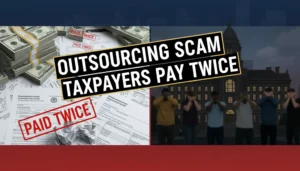
- Residents pay city salaries for planning department staff
- The city then pays consultants to do planning department work
- Taxpayers get double-billed for the same services
- Consultants have incentives to expand their role and extend their contracts
When Mayor Hannon, Council Members Jorgens, Grindall, and Catancio approved this fourth amendment, they endorsed a system that prioritizes consultant profits over taxpayer efficiency.
The Missing Financial Transparency
The council minutes reveal nothing about the cost of this fourth amendment. How much additional taxpayer money will Good City Company receive? How does this compare to hiring additional city staff? What’s the total value of all four amendments combined?
Support Independent Local Journalism
TheTownHall.News is a non-profit reader-supported journalism. Just $5 helps us hire local reporters, investigate important issues, and hold public officials accountable across Alameda County. If you believe our community deserves strong, independent journalism, please consider donating $5 today to support our work.Newark residents deserve answers to these questions before their elected officials approve contract expansions. Instead, they got a motion, a second, and a 4-1 vote (with one abstention) that commits taxpayer funds without public scrutiny.
The Pattern of Poor Planning
Four contract amendments suggest Newark’s government either:
Can’t Plan Properly: The original contract was so poorly scoped that multiple expansions became necessary, indicating incompetent initial planning by city staff and council oversight.
Got Low-Balled: Good City Company submitted an artificially low initial bid to win the contract, then used amendments to reach their real target compensation — a common consulting strategy.
Enables Scope Creep: The city continues expanding consultant responsibilities without considering whether these functions should be performed in-house or eliminated entirely.
None of these explanations reflect well on Newark’s fiscal management or government efficiency.
What Taxpayers Should Demand
Before approving any more contract amendments, Newark residents should demand:
Complete Financial Disclosure: The total cost of all four amendments and how this compares to the original contract value.
Scope Justification: Why these additional services couldn’t be performed by existing city staff or weren’t included in the original contract.
Efficiency Analysis: Whether outsourcing these functions actually saves money compared to hiring qualified city employees.
Amendment Limits: A policy preventing endless contract modifications that essentially circumvent the original approval process.
The Real Cost of Consultant Culture
Every dollar spent on consultant contract amendments represents money that could fund:
- Direct city services for residents
- Infrastructure improvements in neighborhoods
- Reduced fees for permits and licenses
- Lower taxes for working families
When council members like Mayor Hannon, Jorgens, Grindall, and Catancio consistently approve consultant expansions without meaningful scrutiny, they’re prioritizing vendor relationships over taxpayer interests.
Vice Mayor Little’s Example
Vice Mayor Little’s abstention demonstrates that elected officials can question routine spending without obstructing necessary government functions. Her refusal to rubber-stamp this fourth amendment should inspire other council members to ask tough questions about:
- Why contracts require multiple amendments
- Whether consultant relationships serve taxpayer interests
- How to prevent scope creep that benefits vendors at public expense
The Bottom Line
Newark’s fourth contract amendment with Good City Company represents everything wrong with modern local government: poor initial planning, inadequate financial oversight, and a willingness to expand consultant relationships without meaningful public accountability.
When government contracts require four amendments, taxpayers aren’t getting better service — they’re getting taken advantage of by officials who prioritize vendor relationships over fiscal responsibility.
Vice Mayor Little’s abstention was the only responsible vote on a contract expansion that should have been questioned, not approved.
Sources: Newark City FINAL October 9 2025 minutes.pdf