THE ILLUSION OF SAFETY: Why Declining Crime Stats Don’t Tell the Whole Story
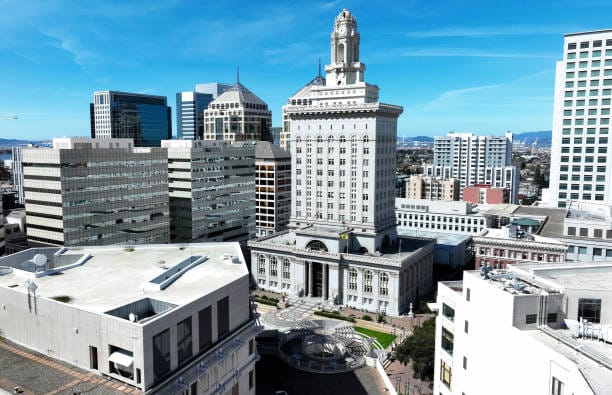
OAKLAND, CALIFORNIA - MARCH 13: A drone view of Oakland City Hall in downtown Oakland, Calif., on Wednesday, March 13, 2024. (Jane Tyska/Digital First Media/East Bay Times via Getty Images)
By Edward Escobar
Every time a public official declares that “crime is down,” I brace myself. Not because I doubt the numbers—but because I know what those numbers don’t capture. In Oakland, we’re living through a dangerous illusion: one where the statistics suggest progress, but the lived reality tells a different story. The truth is simple and sobering—crime reporting is down, not crime itself.
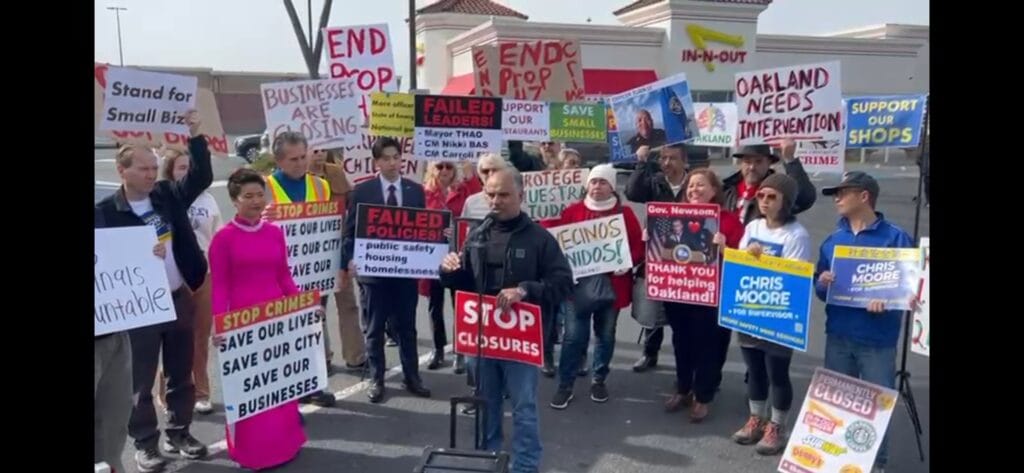
In Oakland neighborhoods, property crimes are rampant. Break-ins, thefts, vandalism. But ask around, and you’ll find that most of these incidents never make it into official reports. Why? Because people have lost faith. They’ve stopped calling the police—not out of apathy, but out of experience. They know what happens next: nothing. Maybe a no-show. Maybe a response hours or days later. No follow-up. No investigation. No justice. So, they stop reporting altogether.
Support Independent Local Journalism
TheTownHall.News is a non-profit reader-supported journalism. Just $5 helps us hire local reporters, investigate important issues, and hold public officials accountable across Alameda County. If you believe our community deserves strong, independent journalism, please consider donating $5 today to support our work.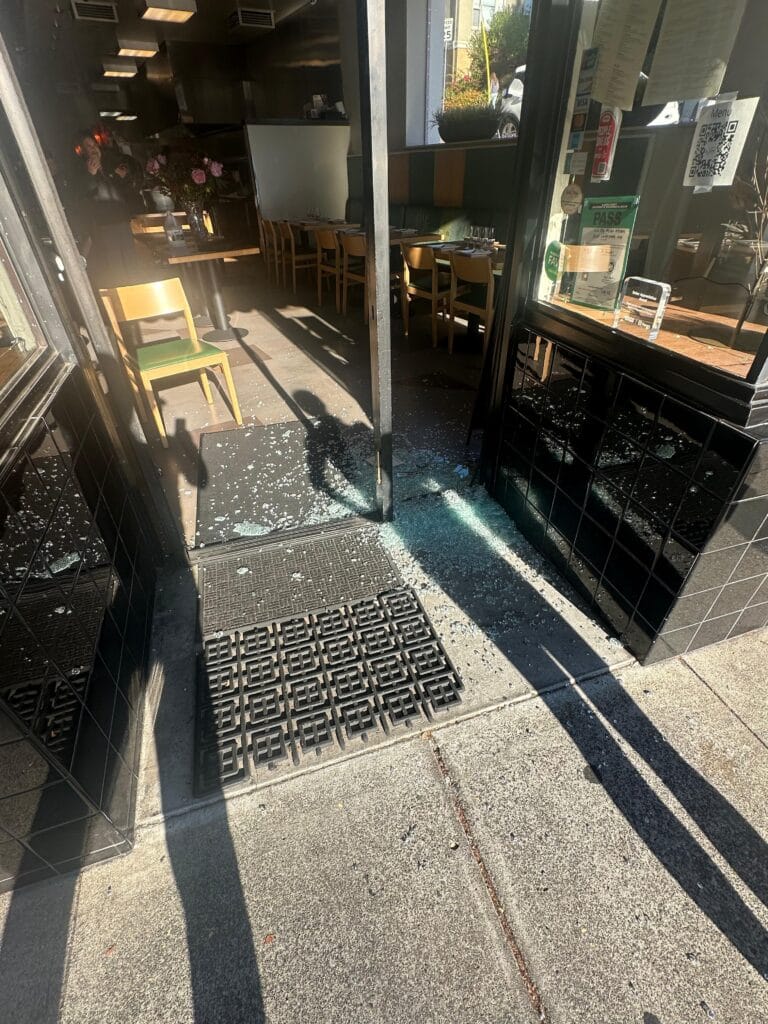
Businesses are making the same calculation. For many, reporting a crime means risking skyrocketing insurance premiums—or worse, losing coverage entirely. In cultural zones and immigrant-owned establishments, the pressure to stay silent is even stronger. These communities have long operated beneath the radar, and now they’re being punished for speaking up. Their peers discourage them. Their insurers threaten them. And their customers? They’re scared off by any hint of danger. So, the owners stay quiet, hoping the trauma fades faster if it’s never spoken aloud.
This silence is not consent. It’s survival.
The Oakland Police Department’s lack of response only deepens the frustration. When victims are met with indifference—or worse, bureaucratic delay—they begin to question the purpose of reporting at all. What’s the point of reliving the trauma if no one’s listening? What’s the point of filing a report if it leads to no action?
For years, another layer of fear has quietly shaped community silence: retaliation. In some cases, community members who speak out about rising crime are met not with support, but with suspicion. The false narrative that the “crime wave is just a perception” is weaponized to silence dissent. Businesses and residents alike worry that if they report too much, they’ll be labeled as troublemakers by City Hall. That they’ll face political consequences. That already-limited city services—trash pickup, graffiti removal, small business support—will be quietly withheld. That their neighborhoods will be deprioritized for cleanup, outreach, or investment. That their voices will be punished, not heard.
You ask anyone who’s lived in Oakland their entire life, and they’ll tell you: ‘Crime has never been this bad. This is the worst it’s ever been’. And yet, we’re told to believe things are getting better?
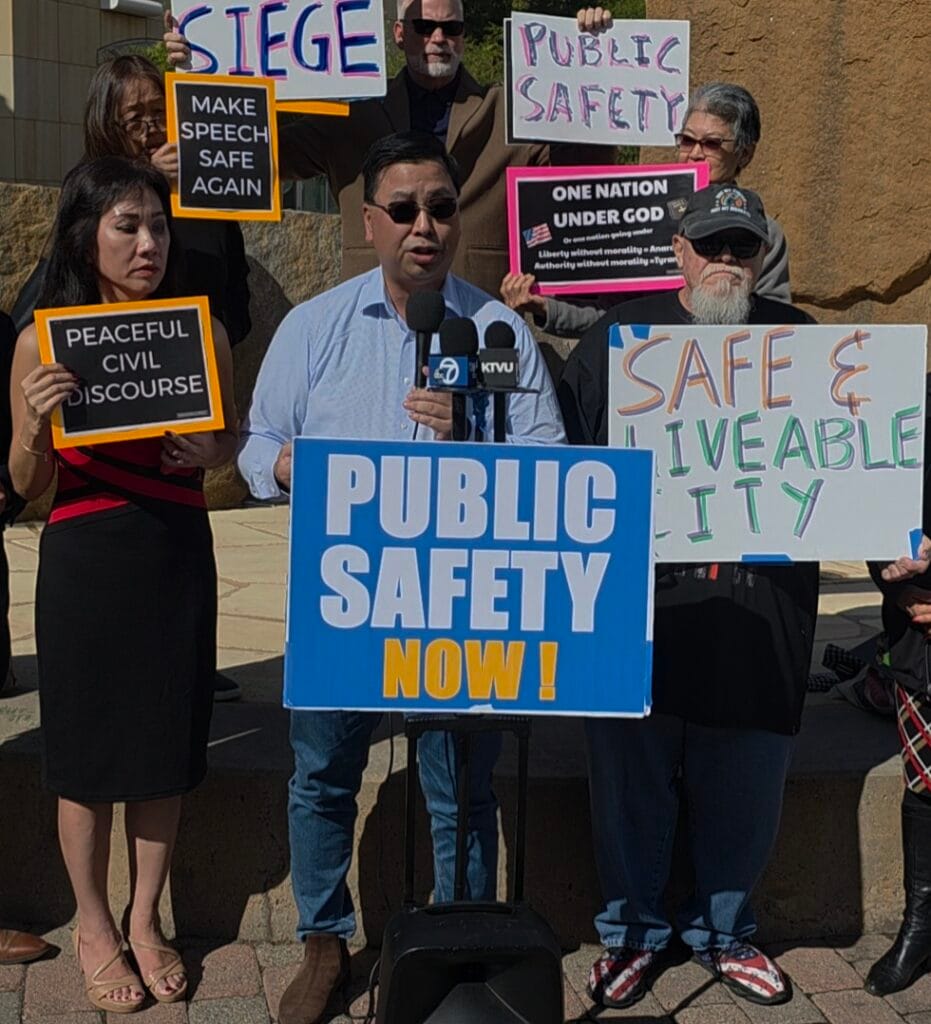
What do you expect when city leadership prioritizes failed ideological experiments over basic public safety? When slogans like “defund the police” take precedence over protecting residents? Oakland’s police force used to stand at 850 officers. Today, it’s effectively under 500—serving a city of nearly half a million people. That’s not just a staffing issue. That’s a crisis. And it’s a direct contributor to the out-of-control crime wave we’re experiencing. You can’t have accountability without capacity. You can’t have safety without presence.
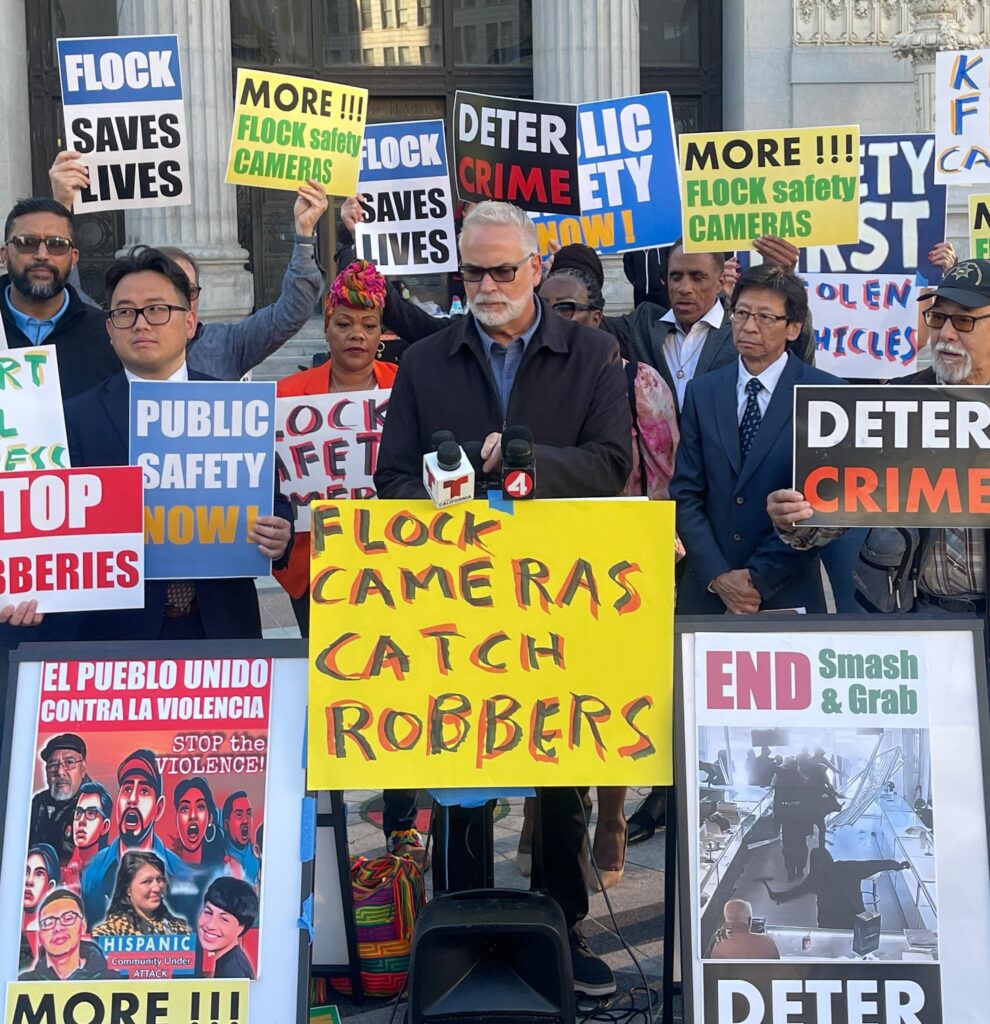
And now, the same forces behind those failed policies want to dismantle another critical layer of public safety: Oakland’s license plate reader cameras. These tools have helped track stolen vehicles, identify crime suspects’ vehicles, and deter criminal activity. Yet there’s a push to remove them entirely. Shall we allow this continued disruption of Oakland’s public safety? Shall we let ideology override evidence, again?
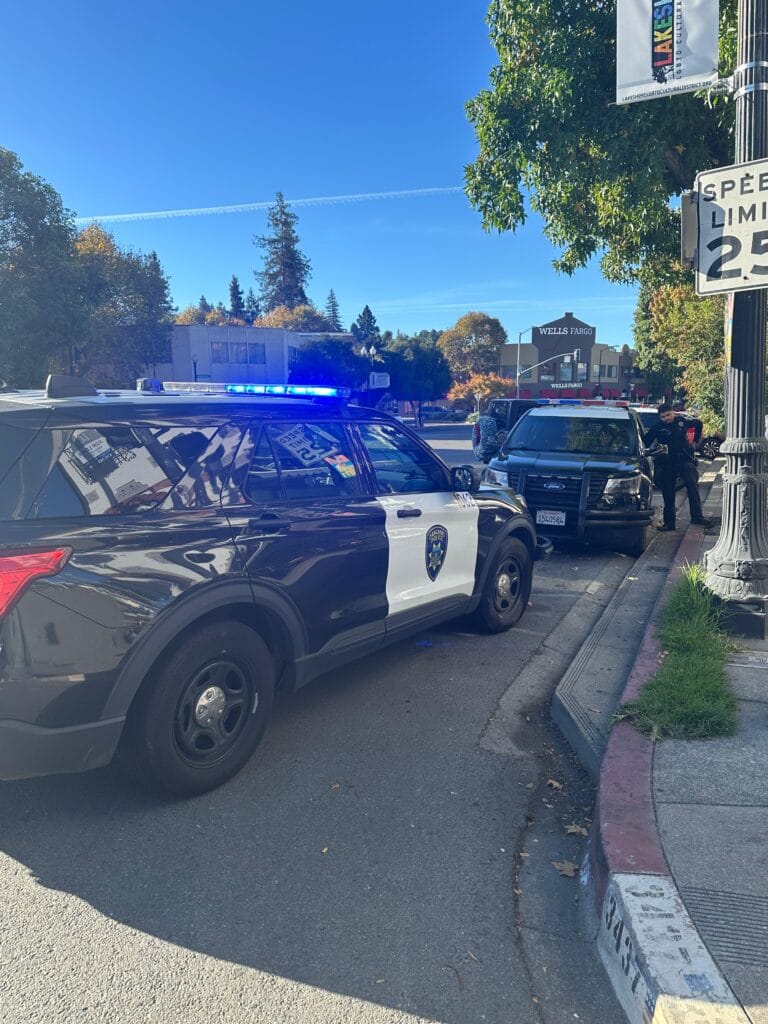
Let’s be clear: the lack of public safety doesn’t impact all communities equally. It hits hardest in Black, Latino, and immigrant neighborhoods—where businesses are already vulnerable, and residents face systemic barriers to protection. These communities suffer the most from under-policing, delayed response, and the erosion of trust. When public safety fails, it fails them first and worst.
This is not just a failure of public safety—it’s a failure of democracy.
Support Independent Local Journalism
TheTownHall.News is a non-profit reader-supported journalism. Just $5 helps us hire local reporters, investigate important issues, and hold public officials accountable across Alameda County. If you believe our community deserves strong, independent journalism, please consider donating $5 today to support our work.If we want real safety, we need real accountability. That starts with acknowledging the gap between statistics and lived experience. It means listening to the communities who’ve stopped reporting—not blaming them, but asking why. It means rebuilding trust, not just in law enforcement, but in the systems that are supposed to protect us.
Until then, the illusion will persist. And so will the harm.
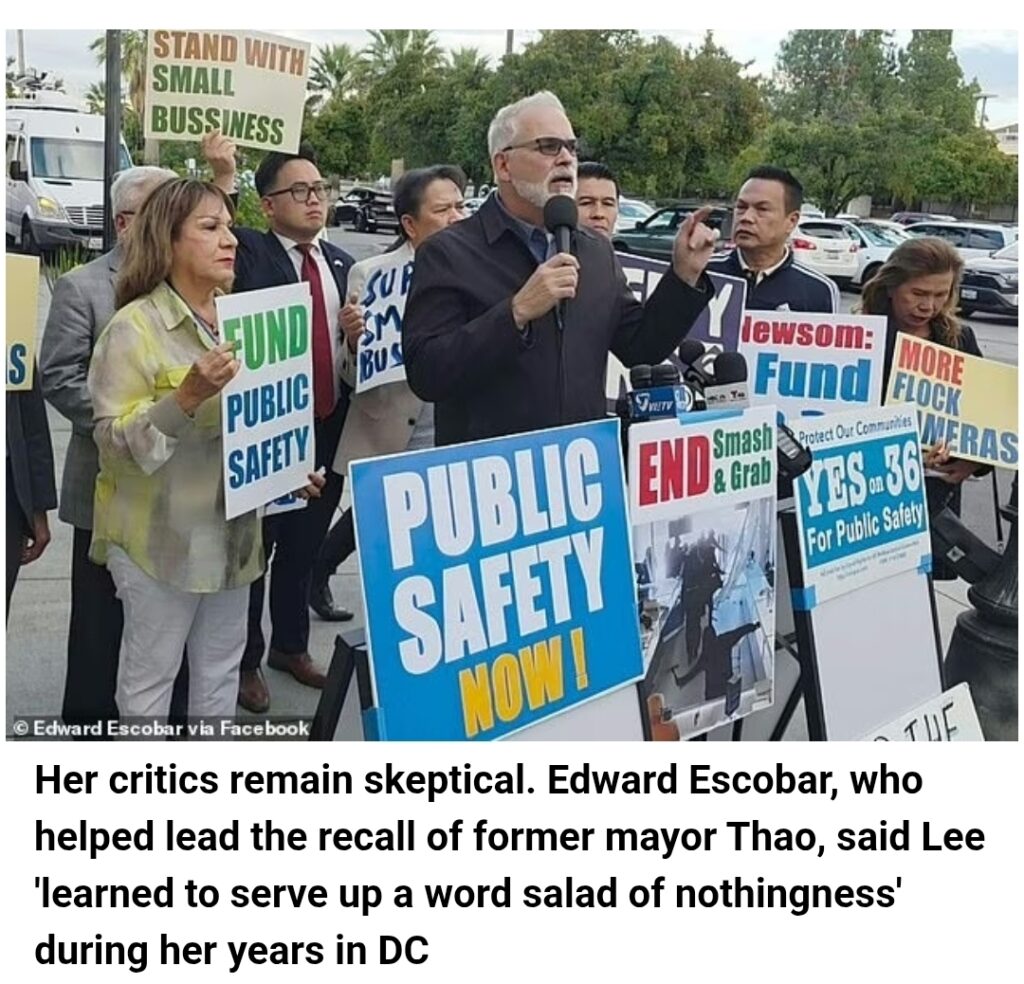
Stand up to the broken system and be the change you want to see for Oakland! Join the movement!
Author: Edward Escobar
EDWARD ESCOBAR is a seasoned activist, organizer & prolific political operative. He is the founder of the Coalition for Community Engagement and the Citizens Unite Movement, driving common-sense initiatives with a focus on tangible change and community empowerment. He is a significant leader in the historic Recalls of both Oakland Mayor Sheng Thao and Alameda County District Attorney Pamela Price.
The views expressed in this op-ed are those of the author and do not necessarily reflect the official policy or position of the town hall.news