AB 2624 Passed the Assembly—But California Still Has a Free-Speech Problem
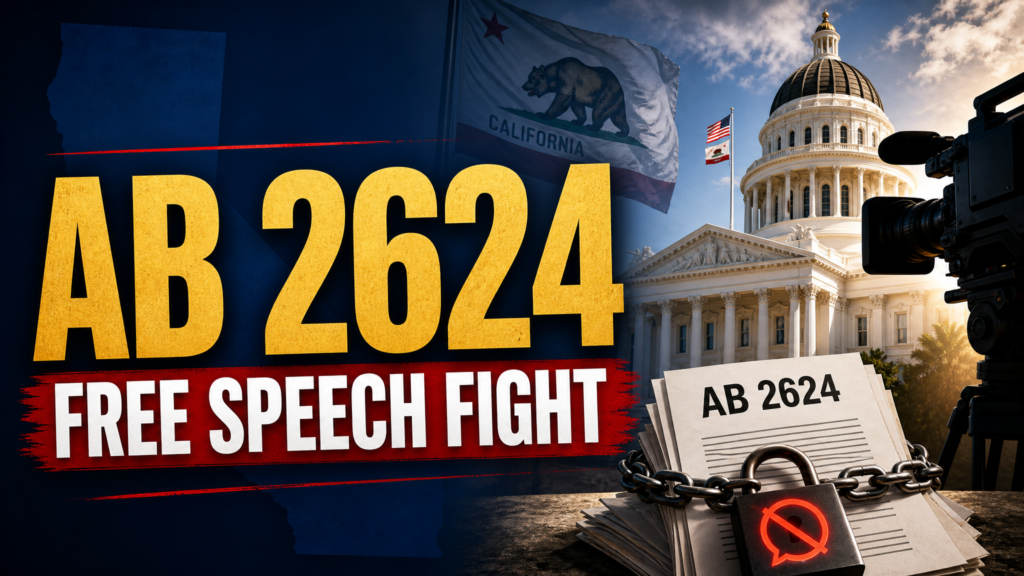
California’s AB 2624 is not yet law, and it does not plainly “criminalize journalism.” But it has already exposed a deeper problem: too many lawmakers are willing to write sweeping speech-related rules first and clarify them later, even when those rules touch public accountability, online reporting, and citizen oversight.
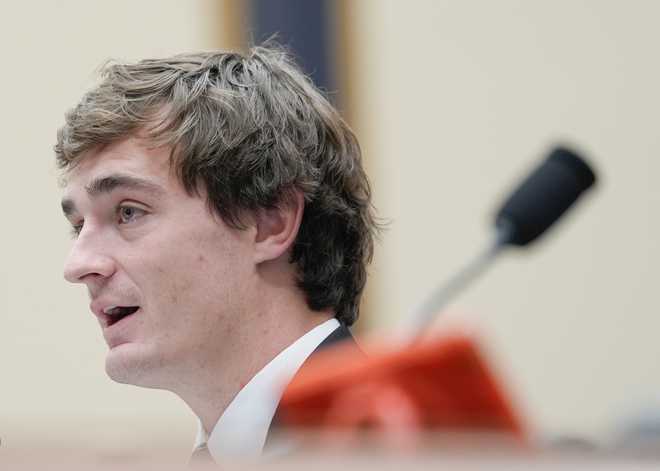 Image source: KCRA 3
California’s political class may insist that the uproar over AB 2624 is just another online outrage cycle. It is not. When a bill touching speech, personal information, and public scrutiny moves this far while even mainstream outlets and First Amendment advocates are still debating its reach, that is not a messaging problem. That is a drafting problem. LegiScan Los Angeles Times
Support Independent Local Journalism
TheTownHall.News is a non-profit reader-supported journalism. Just $5 helps us hire local reporters, investigate important issues, and hold public officials accountable across Alameda County. If you believe our community deserves strong, independent journalism, please consider donating $5 today to support our work.And it matters now because the measure has already advanced well beyond the rumor stage. AB 2624 passed the California Assembly on May 26, 2026, after clearing multiple committees and amendments, and it was ordered to the Senate. Readers deserve to know two things at once: the viral claim that the full state has already “approved” it is inaccurate, but the concern about how this kind of bill could chill speech is serious and deserves far more scrutiny than Sacramento seems comfortable with. LegiScan
Why AB 2624 Matters Right Now
AB 2624, authored by Assemblymember Mia Bonta, would expand California’s Safe at Home confidentiality framework to certain immigration support service providers, employees, and volunteers who say they face threats or harassment. The state’s existing confidentiality program already covers categories such as domestic violence survivors and some health care workers. On paper, AB 2624 is presented as another extension of that same protective model. California Legislative Information CalMatters
That explanation is why some defenders dismiss criticism as bad-faith politics. But that dismissal is too convenient. This bill did not become controversial simply because opponents gave it a catchy nickname. It became controversial because it sits at the intersection of immigration politics, public funding, watchdog reporting, and online publishing—exactly the kind of terrain where sloppy legal language can do real damage. CalMatters The Sacramento Bee
A government that asks for trust while writing broad speech-related rules is asking for too much. Transparency is not optional in a self-governing republic.

What AB 2624 Actually Does—and Does Not Do
The official summary says the bill would let designated immigration support workers apply for address confidentiality protections and would prohibit certain online posting, selling, or trading of personal information or images when tied to threats or incitement of violence. In other words, the core legal theory is anti-doxxing and safety, not a direct ban on investigative reporting. That distinction matters, and any honest analysis should start there. California Legislative Information CalMatters Digital Democracy
KCRA’s fact-check reached the same basic conclusion: the “short answer” to whether California lawmakers are trying to criminalize investigative journalism is no. The outlet reported that prosecutors would have to prove specific harmful intent, and legal experts told KCRA that burden would be difficult to meet. That is an important corrective to viral claims that present the bill as an obvious, direct criminal ban on journalism. KCRA 3
But “not a direct ban” is not the same thing as “no problem here.” The amended bill text, as reported by LegiScan, includes an exemption reference to California Evidence Code Section 1070, the state’s reporter shield law. Supporters point to that language as proof the bill does not target journalists. Yet even with that provision, concerns have persisted in news coverage and among free-speech advocates, which tells you the drafting still has not reassured the people who actually understand how these cases get weaponized. LegiScan Bonta Office
Why Free-Speech Concerns Will Not Go Away
The strongest case against complacency comes not from partisan rhetoric but from mainstream reporting. The Los Angeles Times quoted First Amendment experts who warned that AB 2624 “punishes the publication of information,” could be applied unevenly, and might chill investigative journalism even if its stated goal is legitimate. The concern is not just what the author intends. The concern is how future plaintiffs, prosecutors, or judges could use the language once political passions rise. Los Angeles Times
That is why this debate matters beyond one influencer, one lawmaker, or one news cycle. If California normalizes the idea that broad categories of politically sensitive workers should gain extra leverage over what can be published online, other groups will line up next. The Times reported exactly that concern from legal experts who warned that today’s narrow exception can become tomorrow’s template. Los Angeles Times
Support Independent Local Journalism
TheTownHall.News is a non-profit reader-supported journalism. Just $5 helps us hire local reporters, investigate important issues, and hold public officials accountable across Alameda County. If you believe our community deserves strong, independent journalism, please consider donating $5 today to support our work.Bad laws do not have to be malicious to be dangerous.
And California has a habit of treating vague assurances from officials as a substitute for narrow statutory language. Mia Bonta’s office says the bill would not restrict filming in public, prohibit investigative journalism, or alter public-records rules for organizations. If that is the goal, then the statute should say so with unmistakable precision—not in a press release after public backlash, but in the operative text itself. Bonta Office
What Critics Get Wrong—and Right
Critics get it wrong when they say AB 2624 has already become law or that its text plainly outlaws journalism. As of the latest official action, the bill has passed only the Assembly and moved to the Senate. And the bill’s backers are correct that the measure is framed around threats, harassment, and doxxing rather than an explicit ban on exposing fraud. LegiScan KCRA 3
But critics get something important right too: lawmakers should not write laws in a way that leaves reporters, citizen investigators, watchdog groups, or ordinary residents guessing where legitimate scrutiny ends and costly litigation begins. KCRA reported unresolved concerns about possible exposure to lawsuits and the need for clarification. CalMatters also reported that the bill was amended to remove references to social media, a sign that the legislation was not as surgically precise as supporters initially claimed. KCRA 3 CalMatters
That should be the warning sign. When a speech-related bill keeps needing cleanup in the middle of a political firestorm, the public is not obligated to trust the promise that everything will work out later.
The Real Cost of Government Overreach
For readers who care about fiscal accountability and limited government, the problem is larger than ideology. Ambiguous laws invite lawsuits, selective enforcement, and bureaucratic creep. They impose costs not just on defendants but on courts, agencies, nonprofits, media outlets, and the public’s confidence that the rules are being applied fairly. CalMatters Digital Democracy Los Angeles Times
That is especially troubling in a state already struggling with public trust, fraud controversies, and institutional credibility. If officials want Californians to believe taxpayer-funded organizations remain open to scrutiny, they should write bills that protect people from true threats without creating any plausible path to silence lawful criticism or reporting. Government earns trust by writing narrow laws, not by demanding generous interpretations. The Sacramento Bee Bonta Office
A Fair Counterargument
There is a real opposing case here, and it should be taken seriously. Supporters of AB 2624 argue that immigrant-service workers have faced harassment, doxxing, and even threats at their homes. CalMatters and the Bonta office both cited testimony from advocates who said staff members and family members were being targeted in ways that go far beyond peaceful protest. CalMatters Bonta Office
That is a legitimate state concern. But legitimate concerns do not excuse imprecise lawmaking. The answer to harassment is a narrowly tailored statute aimed at true threats and unlawful doxxing, not language that has to be defended through interviews, committee promises, and post hoc explanations. Protecting safety and protecting free speech are not opposing values in a healthy system. Competent lawmakers should be able to do both. Los Angeles Times
Key Takeaway
AB 2624 is not the cartoon version that dominates social media. But neither is it a settled, harmless privacy bill that critics should simply stop questioning. It is a live test of whether California can protect targeted individuals without expanding the culture of legal intimidation around speech, scrutiny, and public accountability. KCRA 3 LegiScan
Transparency should never depend on a politician’s assurance that the law will be used wisely.
Conclusion
The right response to AB 2624 is neither panic nor complacency. It is vigilance. Californians should reject viral exaggeration, but they should also reject the lazy assumption that a bill is safe simply because its sponsors say it means well. Free speech, limited government, and public accountability are not abstractions. They are practical safeguards against bad governance—and they are easiest to lose when officials insist critics are overreacting. KCRA 3 Los Angeles Times
Stay informed. Share this article with readers who care about free speech and honest lawmaking. Support independent journalism that checks both viral narratives and government spin, and stay engaged in civic life while this bill moves through the Senate. California’s lawmakers may still revise AB 2624. The public should make sure they do it right. LegiScan