Guatemala Cartel Strikes: Trump Administration Secures Joint Operations with Latin America
guatemala cartel strikes
As Guatemala joins Ecuador in partnering with the U.S. against powerful drug cartels, millions of Americans wonder if this marks a real shift toward securing our borders and restoring accountability — or another round of half-measures that leave families paying the price.
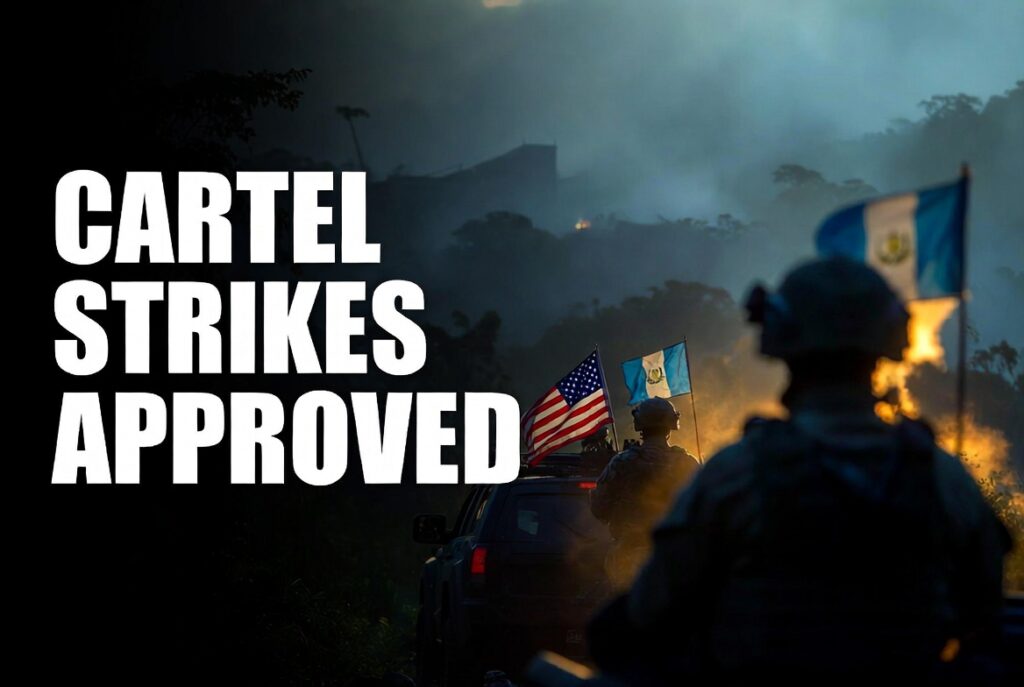
The New York Times broke the story on May 28, 2026: Guatemala has greenlit joint operations with the Trump administration’s Defense Department to target cartel networks inside its territory. This follows Ecuador’s earlier agreement and comes as Honduras faces mounting pressure to follow suit. For voters who prioritized law and order in 2024, this feels like the Trump Doctrine in action — treating cartels as the national security threats they are.
Why does this matter right now? Cartels don’t respect borders. They flood American communities with fentanyl, fuel violence south of the border that drives migration north, and undermine the rule of law that free societies depend on. When nations step up with real cooperation instead of empty promises, it signals a return to accountability over endless aid without results.
Support Independent Local Journalism
TheTownHall.News is a non-profit reader-supported journalism. Just $5 helps us hire local reporters, investigate important issues, and hold public officials accountable across Alameda County. If you believe our community deserves strong, independent journalism, please consider donating $5 today to support our work.What Do the Latest Developments Actually Show?
Guatemala’s move builds on the Shield of the Americas (Americas Counter-Cartel Coalition), launched in March 2026. This framework encourages intelligence sharing, joint task forces, and military cooperation among willing partners to dismantle designated narco-terrorist organizations.
Ecuador provides the clearest precedent. Under President Daniel Noboa, joint U.S.-Ecuadorian operations began in March 2026, targeting cartel infrastructure with advisory support from American forces. These efforts align with a broader strategy emphasizing lethal action against groups that profit from human smuggling and deadly drugs.
Guatemala’s President Bernardo Arévalo confirmed discussions with U.S. Defense Secretary Pete Hegseth. While his government clarified that operations remain Guatemalan-led with U.S. equipment, training, and expertise — not unilateral American strikes — the intent is clear: disrupt cartel operations that destabilize the region.
“When governments choose partnership over paralysis, citizens on both sides of the border reap the benefits of safer streets and stronger sovereignty.”
Bold truth: If your neighborhood faced daily threats from organized crime profiting off addiction and chaos, would you accept endless meetings — or demand decisive action?

Why Are More Nations Joining This Effort?
Several Latin American countries with leadership focused on traditional civic values are rejecting the failed status quo. Years of accommodation allowed cartels to grow into de facto powers, corrupting institutions and endangering families.
The coalition approach respects limited government principles by prioritizing targeted, partner-led operations over open-ended U.S. nation-building. It emphasizes fiscal accountability: supporting allies who demonstrate results rather than writing blank checks.
Data point: Over 70,000 Americans die annually from drug overdoses, with fentanyl from cartel networks a primary driver. The question no one in previous administrations wanted to answer: How many more lives must be lost before we treat this as the war it is? [Federal health data]
This isn’t about endless foreign entanglements. It’s about defending the homeland by addressing threats at the source — a classic expression of responsible sovereignty.
Is Mexico Paying Attention?
Mexico remains the critical holdout. President Claudia Sheinbaum has rejected U.S. operational involvement on Mexican soil, preferring unilateral Mexican actions supported by intelligence sharing.
Support Independent Local Journalism
TheTownHall.News is a non-profit reader-supported journalism. Just $5 helps us hire local reporters, investigate important issues, and hold public officials accountable across Alameda County. If you believe our community deserves strong, independent journalism, please consider donating $5 today to support our work.The Trump administration’s strategy uses a mix of incentives and pressure — including potential tariffs and visa restrictions — to encourage deeper cooperation. Mexico has increased its own operations, including high-profile actions against cartel leaders, partly in response to this momentum.
Tweetable: Latin American nations are choosing partnership to crush cartels. When will holdouts realize that sovereignty means securing your own borders first — not shielding criminals?
What Do Supporters of This Policy Actually Believe?
Critics of expanded military cooperation argue it risks escalating tensions, infringing on national sovereignty, and repeating past interventionist mistakes that yield mixed results. They contend that root causes like U.S. demand for drugs and domestic corruption require non-military solutions first, and that joint operations could lead to unintended civilian costs or strained diplomatic relations.
This perspective deserves engagement. Past efforts, like Plan Colombia, showed that sustained pressure combined with institutional reform can weaken cartels over time. However, the current approach differs by emphasizing partner sovereignty and targeted action against terrorist-designated groups rather than broad occupation. Data from ongoing Ecuador operations suggests measurable disruption of trafficking routes without large-scale U.S. ground presence. The real test will be measurable reductions in fentanyl flows and border encounters — outcomes that directly serve American families tired of bearing the costs of inaction.
Why Does Personal Responsibility Matter in the Cartel Fight?
Law and order begins with governments fulfilling their core duty: protecting citizens from violence and predation. When leaders in Guatemala and Ecuador request tools to lead their own fights, it reflects responsible governance — not dependence.
This aligns with values of self-reliance and civic duty. American taxpayers have funded decades of ineffective strategies. Shifting to results-oriented partnerships promotes fiscal accountability while respecting the agency of partner nations.
Key Questions
- Will increased joint operations finally reduce the fentanyl killing American families, or will cartels simply adapt again?
- Are U.S. leaders prepared to measure success by lives saved and borders secured — not just headlines?
- What happens if more nations follow Guatemala’s lead while major players like Mexico hold back?
Tweetable rhetorical question: If cartels operated openly in your community, destroying young lives and families, would you demand your government partner with allies for results — or settle for more speeches?
The Path Forward Demands Clear Answers
The Guatemala development represents momentum toward a doctrine that prioritizes decisive action, respects willing partners, and holds threats accountable. It rejects the notion that strong borders and international cooperation are incompatible with limited government.
As more nations recognize that failing to confront cartels undermines their own stability and traditional values of safe communities and parental rights to raise children free from narco-influence, the coalition could expand.
The real question isn’t whether this affects every American family through drugs, crime, or strained resources — it’s whether leaders will sustain the pressure until measurable victory is achieved. The era of looking the other way is ending.
What do you think — is this the accountability moment on cartels we’ve waited for? Share this article and let us know below.
Stay informed — subscribe for daily coverage of border security and law and order issues. Think others need to hear this? Share widely. Want to make your voice count? Contact your representatives to support policies that back results-driven international partnerships against narco-terror threats.