Chinese Farmland Ban: Is America Finally Taking Back Control? Farm Security Plan Explained
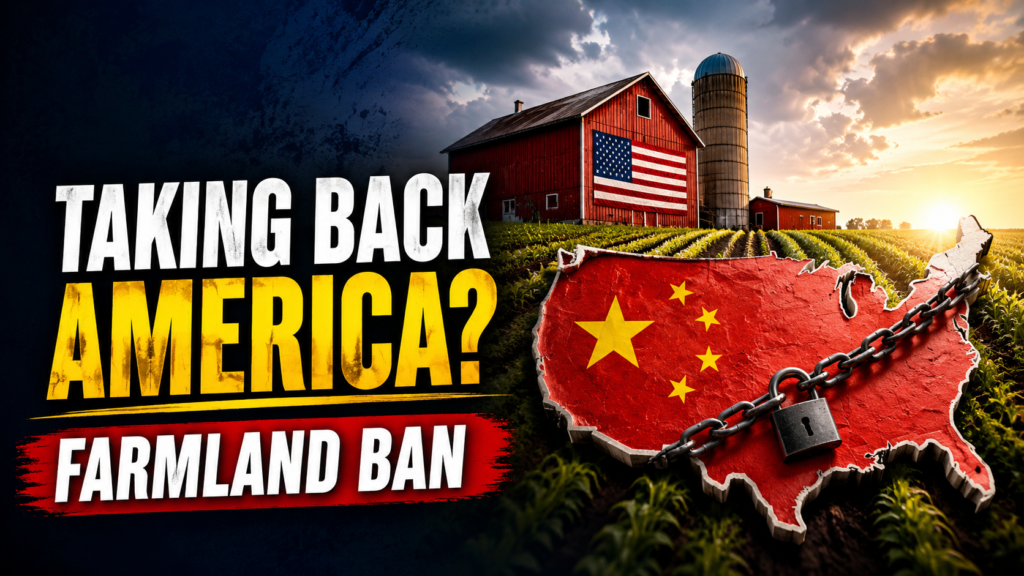
As Washington moves to restrict future Chinese purchases of American farmland, millions of citizens are asking a simple question: why did it take so long, and what comes next?
That question moved from political debate to public policy when the Trump administration announced its National Farm Security Action Plan in July 2025, a broad initiative aimed at limiting farmland ownership by foreign adversaries, particularly China. The move immediately sparked praise from national security advocates and criticism from others who warned about economic consequences and legal challenges.
What Exactly Is the Chinese Farmland Ban?
In short, the policy seeks to prevent future purchases of U.S. farmland by entities connected to foreign adversarial governments, with a particular focus on China.
Support Independent Local Journalism
TheTownHall.News is a non-profit reader-supported journalism. Just $5 helps us hire local reporters, investigate important issues, and hold public officials accountable across Alameda County. If you believe our community deserves strong, independent journalism, please consider donating $5 today to support our work.The administration framed the initiative as a national security measure rather than a trade dispute. Officials argued that agricultural land is more than a private asset. It is part of the nation’s food supply chain, economic infrastructure, and strategic resilience.
The plan also includes increased scrutiny of existing foreign-owned agricultural assets and closer coordination between federal agencies responsible for national security, agriculture, and investment oversight.
Supporters argue the issue transcends politics. They contend that ownership of critical resources should be evaluated through the lens of long-term national interests rather than short-term financial gain.
“A nation that cannot protect its food supply cannot fully protect its future.”

Why Are So Many Americans Starting to Ask Questions?
The answer is simple: awareness.
For years, foreign ownership of farmland remained a niche policy discussion. Today, it has become a mainstream concern as voters increasingly focus on supply chains, food security, and economic independence.
Recent geopolitical tensions have amplified those concerns. Questions that once sounded hypothetical now feel immediate. Should foreign entities connected to rival governments own agricultural land inside the United States? Should there be limits? If so, where should those limits be drawn?
The debate reflects a broader shift in public attitudes toward globalization and national resilience.
If farmland is a strategic asset, should America treat it differently than any other investment?
Supporters of restrictions argue that citizens have every right to demand transparency about who owns land that contributes to the nation’s food production capacity.
Support Independent Local Journalism
TheTownHall.News is a non-profit reader-supported journalism. Just $5 helps us hire local reporters, investigate important issues, and hold public officials accountable across Alameda County. If you believe our community deserves strong, independent journalism, please consider donating $5 today to support our work.What Do the Numbers Actually Tell Us?
The data often surprises people.
According to federal agricultural ownership records, Chinese-linked ownership represents a relatively small share of total U.S. farmland. However, supporters of restrictions argue that the percentage alone misses the point.
The issue, they say, is not merely acreage. It is location, strategic significance, and future trends.
Approximately 265,000–277,000 acres. The question many policymakers are asking: should even that amount be controlled by entities linked to a geopolitical rival?
Critics often note that Chinese ownership remains a tiny fraction of America’s total agricultural land. That is factually correct.
Supporters respond that national security assessments frequently focus on strategic importance rather than scale alone. A small asset can still have outsized significance depending on its location or purpose.
Who Is Really Paying for This Policy?
The immediate economic impact remains debated.
Some agricultural economists argue restrictions could reduce certain investment opportunities in rural communities. Others contend the effect will likely be limited because foreign adversary ownership represents a small portion of overall farmland transactions.
Supporters believe the greater cost would come from failing to address concerns before they grow larger.
If Washington identifies a potential security risk today, should taxpayers wait until it becomes a crisis tomorrow?
That argument resonates with many voters who increasingly expect policymakers to take preventive action rather than reactive action.
The broader question extends beyond agriculture. Citizens often ask why government leaders seem quick to respond after problems emerge but slow to address warning signs beforehand.
Is This the Accountability Moment Many Voters Wanted?
Possibly.
The farmland debate taps into a larger public frustration: accountability.
Many Americans feel major decisions affecting communities are made far from public scrutiny. Whether discussing trade policy, border security, energy production, or agricultural ownership, voters frequently express concern that long-term consequences receive less attention than short-term political considerations.
The Farm Security Action Plan appeals to those concerns by presenting itself as a corrective measure.
Supporters argue that elected officials have a responsibility to evaluate policies through the lens of national interests rather than purely economic calculations.
For years, citizens asked who was watching America’s strategic assets. Now they are asking why it took this long.
Whether one agrees with the policy or not, the debate itself reflects a growing demand for transparency and accountability.
What Do Supporters of This Policy Actually Believe?
Supporters generally believe that certain assets should be treated differently because of their strategic value.
They argue that farmland is not simply another investment category. It is tied directly to food production, rural economies, and national resilience.
Critics offer a different perspective. They contend that broad restrictions could discourage investment, complicate international business relationships, and create legal disputes over property rights and foreign investment.
These concerns deserve serious consideration.
However, supporters counter that every nation establishes limits around strategic assets. They point to restrictions that already exist in sectors involving defense, telecommunications, and critical infrastructure.
Their central argument is straightforward: if government can review foreign investment in sensitive technologies, why should agricultural land be exempt from similar scrutiny?
The debate ultimately revolves around balancing economic openness with national security concerns.
What Happens If No One Speaks Up?
Public engagement matters.
Major policy shifts rarely occur in a vacuum. They emerge when citizens demand answers, ask difficult questions, and remain engaged with issues that affect their communities.
The farmland debate highlights the importance of civic participation. Whether voters support or oppose restrictions, informed discussion is essential.
Parental concerns about food security, taxpayer concerns about government accountability, and community concerns about local control all intersect in this conversation.
The outcome will likely influence future debates about infrastructure, energy, technology, and other strategic assets.
Key Questions
1. Should agricultural land be treated as a national security asset?
2. Where should policymakers draw the line between open investment and strategic protection?
3. How much transparency do citizens deserve regarding foreign ownership of critical resources?
Conclusion
The debate over Chinese ownership of American farmland is ultimately about more than acreage.
It is about sovereignty, accountability, transparency, and the responsibilities of government to protect strategic national interests while preserving economic opportunity.
Reasonable people can disagree about the best policy approach. What is increasingly difficult to deny, however, is that the public wants answers.
As lawmakers, regulators, and citizens continue this debate, one question remains at the center of it all: if farmland helps sustain the nation, who should control it?
The real question isn’t whether this debate will continue—it’s whether citizens will demand clear answers before the next major decision is made.
Call to Action
Still have questions? Stay informed and subscribe for daily coverage.
Think others need to hear this? Share the article and join the conversation.
Want to make your voice count? Contact your elected representatives, attend local community meetings, and ask where they stand on foreign ownership of strategic American assets.
What do you think—is this a necessary security measure or an overcorrection? Share this article and let us know.