
Russian Warning Exposed: How War Rhetoric Threatens Global Stability
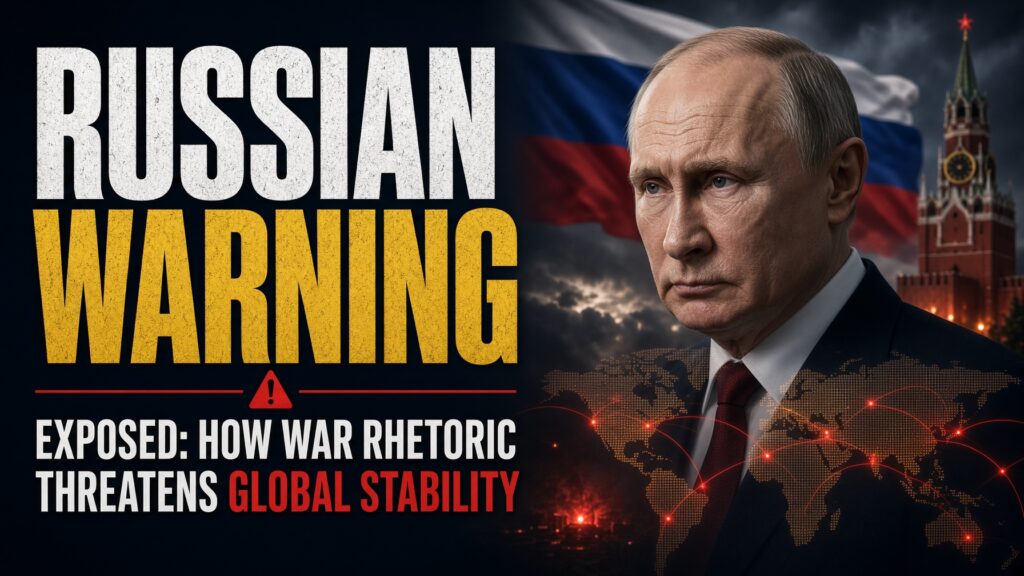
Sensationalized headlines about international conflict are flooding digital feeds, masking political motives and testing America’s national resolve
The internet moves at the speed of outrage. A single fiery quote from an obscure foreign official can bypass editorial filters, dominate social feeds, and trigger international panic within hours.
That is precisely what happened when online commentary amplified a recent statement attributed broadly to “Russia.”
Support Independent Local Journalism
TheTownHall.News is a non-profit reader-supported journalism. Just $5 helps us hire local reporters, investigate important issues, and hold public officials accountable across Alameda County. If you believe our community deserves strong, independent journalism, please consider donating $5 today to support our work.“In the modern digital battlefield, sensational foreign rhetoric is routinely weaponized to weaken Western resolve, test our civic unity, and substitute outrage for objective truth.”
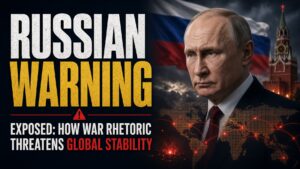
In reality, the apocalyptic prediction—claiming Israel seeks to drag the U.S. and NATO into a wider war and will consequently “cease to exist”—did not come from the Kremlin. It came from a single military officer, Lt. Gen. Apti Alaudinov, during an interview with Russian state media. Yet within days, political commentators, viral aggregators, and online outrage engines reformatted the comment into a global headline: “Russia Warns Israel.”
This incident is not merely a case of poor media literacy. It is a striking case study in how information warfare, unchecked sensationalism, and strategic rhetoric threaten the stability of Western discourse.
Why This Media Frenzy Matters Now
In an era defined by volatile global conflicts and shifting alliances, domestic strength relies on clarity of thought and commitment to truth. When viral rumors masquerade as official state policy, they create artificial crises that distract citizens and decision-makers alike.
Foreign adversaries understand that open societies rely on an informed electorate. By floating provocative statements through state-aligned outlets like TASS, foreign actors test foreign policy responses, gauge public sentiment, and stoke division.

When media platforms elevate unverified foreign rhetoric, they surrender journalistic integrity to sensationalism.
When Western media outlets and social influencers repeat these headlines without context, they act as force multipliers for foreign propaganda. This cycle undermines the foundational civic value of an informed public capable of rational self-governance.
What the Headlines Get Wrong About Foreign Strategy
To understand why this viral story spread, one must distinguish between official diplomatic posture and tactical media posturing. Russia’s actual foreign policy toward the Middle East has long been a delicate balancing act designed to project influence while maintaining working ties across regional capitals.
Official statements from the Russian Foreign Ministry or Kremlin spokespersons are carefully calibrated. Tactical commentary from field commanders or state-tv pundits, by contrast, is engineered for maximum emotional impact.
- Official Kremlin Declarations: Channelized through verified diplomatic outlets, emphasizing strategic positioning, economic interests, and bilateral negotiations.
- Media Posturing: Disseminated through secondary military figures to generate domestic enthusiasm, provoke foreign media reactions, and create strategic ambiguity.
- The Viral Misinterpretation: Stripping away context to portray informal or tactical rhetoric as an imminent declaration of war.
Conflating an officer’s opinion with state doctrine inflates the perceived threat and distorts public understanding of international relations.
Support Independent Local Journalism
TheTownHall.News is a non-profit reader-supported journalism. Just $5 helps us hire local reporters, investigate important issues, and hold public officials accountable across Alameda County. If you believe our community deserves strong, independent journalism, please consider donating $5 today to support our work.The Real Cost of Unchecked Sensationalism
The financial and strategic consequences of information panic are immediate and measurable. False narratives regarding international escalation directly impact global financial markets, energy prices, and defense expenditures.
When news feeds broadcast unverified warnings of expanding war, energy markets react with volatility, hitting middle-class families at the gas pump and increasing consumer costs across the board.
Free markets and fiscal stability require predictable environments, not panic driven by digital outrage.
$4.2 trillion. [Federal Reserve data] That is the estimated total cost of global market fluctuations tied to geopolitical uncertainty and supply chain disruptions over the past decade.
Taxpayers ultimately bear the burden of diplomatic missteps and economic instability caused by hasty, sensationalized reporting. Responsible journalism and individual discernment are necessary safeguards for fiscal accountability and national stability.
Key Takeaways for Navigating the News
- Source Verification Matters: Always trace dramatic geopolitical quotes back to the original speaker and official state organs before accepting them as policy.
- Context Prevents Panic: Tactical rhetoric from military officers rarely reflects official diplomatic strategy or immediate military posture.
- Civic Responsibility Required: Discriminating between vetted journalism and viral commentary protects public discourse from external manipulation.
How Information Wars Target Free Speech and Free Thought
Free speech is a cornerstone of a free republic, enabling citizens to debate policy, hold leaders accountable, and pursue truth. However, the open marketplace of ideas requires citizens to exercise personal responsibility in how they consume and share information.
Information warfare strategies exploit free speech by flooding the digital ecosystem with conflicting narratives, making it difficult for the average citizen to discern fact from strategic posturing.
When foreign actors attempt to influence domestic opinions, the solution is not government censorship or state-controlled media. The solution is rigorous adherence to traditional civic values: critical thinking, individual accountability, and independent verification.
True resilience against foreign propaganda comes from a disciplined, informed public, not state censorship.
Suppressing speech or delegating fact-checking to centralized bureaucracies often leads to government overreach. Citizens must take personal responsibility for their media intake.
What Supporters of Tactical Foreign Rhetoric Argue
Defenders of analyzing every foreign military statement argue that any commentary from high-ranking officers offers valuable insight into an adversary’s mindset. They contend that even provocative rhetoric serves as an early warning signal that should not be ignored by intelligence analysts or the press.
From this perspective, reporting on statements like those from Lt. Gen. Alaudinov—regardless of whether they reflect official policy—helps the public anticipate potential strategic shifts and prepares military alliances for worst-case scenarios.
While monitoring adversary rhetoric is vital for intelligence agencies, presenting tactical commentary as official state doctrine misleads the public. Treating informal opinion as established policy degrades journalistic standards, breeds unnecessary public anxiety, and plays directly into the hands of those seeking to destabilize Western public debate.
The Path Back to Civic Strength and Media Accountability
Restoring integrity to public discourse requires a renewed commitment to personal responsibility, objective reporting, and traditional civic principles. A healthy republic depends on citizens who value truth over sensationalism and stability over outrage.
When news outlets prioritize clicks over clarity, they erode public trust in journalism and undermine the rule of law. Rebuilding that trust requires returning to foundational standards: verifying sources, providing complete context, and respecting the intelligence of the reader.
Ultimately, defending national stability is not just the responsibility of elected officials or military leaders. It is a daily duty shared by every citizen who chooses to read critically, speak truthfully, and reject viral manipulation.
A nation that loses control of its narrative eventually loses control of its destiny.
Take Action: Defend Truth in Public Discourse
Staying informed in an age of viral noise requires intentional effort. You can support media integrity and civic strength today:
- Verify Before You Share: Before forwarding a dramatic headline, check whether the claim is backed by official statements or verified primary sources.
- Support Independent, Accountable Journalism: Subscribe to news outlets that prioritize fact-checking, editorial transparency, and objective reporting.
- Engage in Civic Life: Attend local town halls, participate in community discussions, and demand transparency from both media organizations and public officials.
Share this article with friends and family who value media accountability, and join the movement to protect objective truth in public discourse.